Proxy DNS Server: Enhance Network Security and Speed
The Domain Name System (DNS) operates through a global network of servers that maintain a directory of domain names and their corresponding IP addresses. Whenever a user clicks a link or types a domain name into their browser, the device initiates a DNS query. This request is processed by DNS servers which provide the correct IP address, thereby facilitating a connection to the desired website. Now, let’s explore the concept of a proxy DNS server and understand its functionality.
What Is a Proxy DNS Server?
A proxy DNS server, an integral component of the Domain Name System (DNS), functions similarly to an internet phone book. It converts website names like 9proxy.com into machine-readable numerical addresses such as 136.23.18.214, facilitating rapid website connections. Organizations utilize DNS proxies to enhance the speed of DNS responses, streamline DNS management, and bolster DNS security.
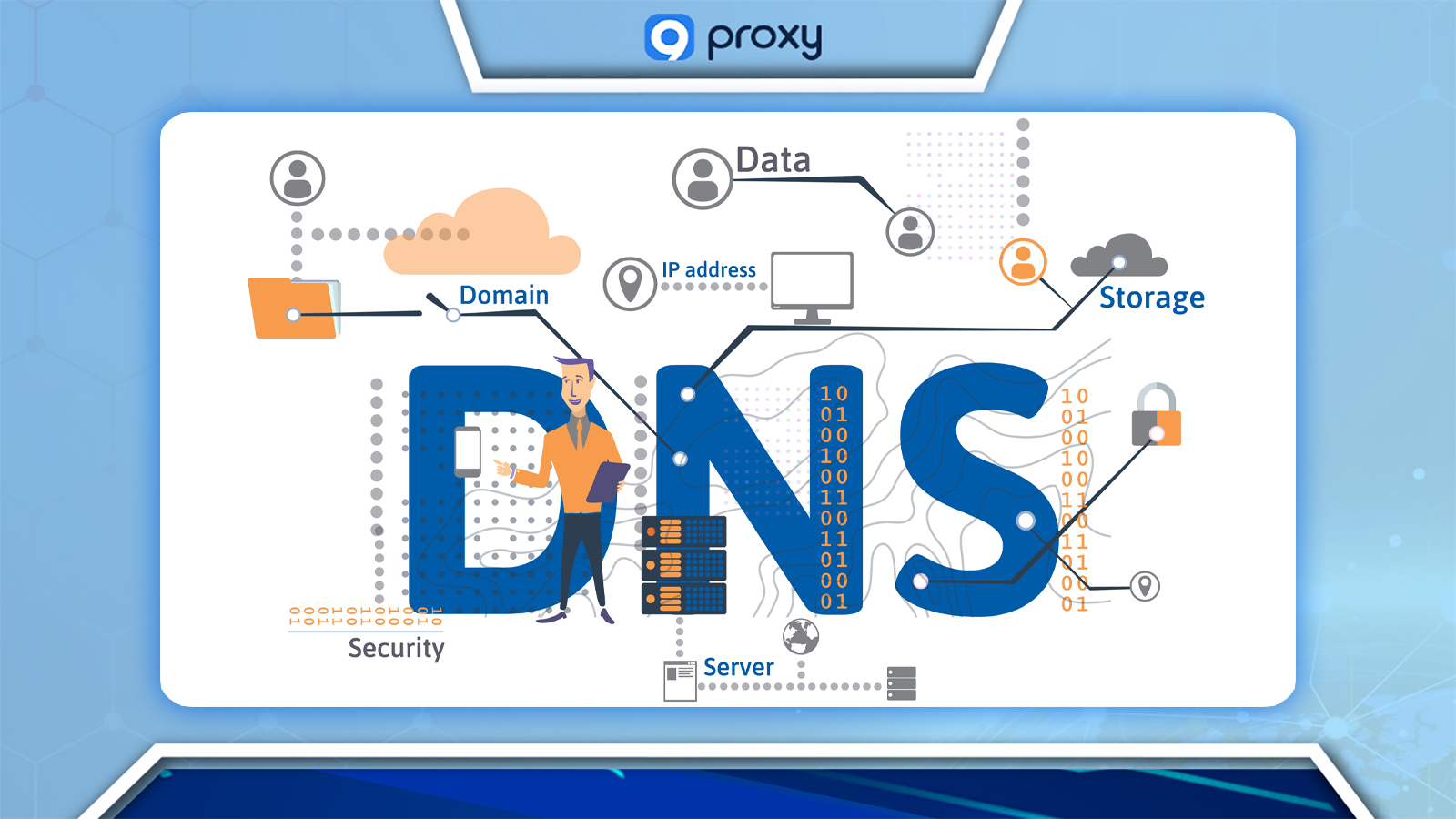
How Does a Proxy DNS Server Work?
Proxy DNS servers are employed by organizations to reduce latency in DNS processing. These servers act as intermediaries; they forward DNS requests from user devices, known as DNS clients, to recursive DNS servers and relay the responses back.
One of the key features of DNS proxies is their ability to cache the results of previous queries. This caching mechanism significantly enhances the speed of DNS resolution, particularly if the proxy nodes are widely distributed globally. Additionally, proxy DNS servers contribute to simplifying network management and enhancing DNS security.
What Are the Benefits of Proxy DNS Server?
A proxy DNS server provides numerous advantages to organizations and IT teams. Here are some key benefits:
- Faster DNS Resolution: By storing data about previously accessed domain names, a DNS proxy can quickly return results, speeding up the browsing experience.
- Reduced Latency: DNS proxies decrease network latency by resolving domain names from cached information, thus improving overall network efficiency.
- Simplified Management: Managing DNS configurations is easier with DNS proxies, as they centralize and streamline the process.
- Enhanced Security: Proxy DNS servers offer robust security features that safeguard against cyber threats like domain hijacking and DNS spoofing.

How Do Proxy DNS Servers Improve Network Security and Resilience?
Proxy DNS servers enhance network security and resilience by serving as intermediaries that conceal a user's IP address, encrypt web traffic, and complicate the efforts of hackers to track or intercept online activities, thereby reducing the risk of data breaches. They act as a protective buffer between the internet and the origin name server, effectively filtering out DDoS attacks, SYN floods, UDP floods, and other malicious intrusions.
Additionally, DNS proxies conduct regular health checks on authoritative nameservers, temporarily removing any that are unresponsive and maintaining service continuity by serving stale cached records when direct lookups fail.
FAQ
Who should use a proxy DNS server?
Proxy DNS servers are ideal for organizations aiming to boost internet performance and security. They are particularly useful for ISPs and large networks that require efficient DNS traffic management and strict network policy enforcement.
Are there any risks associated with using a proxy DNS server?
Yes, there are risks if proxy DNS servers are not properly configured. Mistakes in configuration can lead to DNS leaks, which expose requests to outside observers, or misrouting, negatively affecting both network performance and security.
How does a proxy DNS server handle DNS cache poisoning attacks?
Proxy DNS servers protect against DNS cache poisoning attacks by using DNSSEC (DNS Security Extensions), which ensures the authenticity of DNS responses through digital signatures. They also employ additional security measures to verify information before it is cached, minimizing the risk of poisoning.
How does a proxy DNS server work with other network security tools?
A proxy DNS server can be integrated with other network security tools such as firewalls, intrusion detection systems (IDS), and intrusion prevention systems (IPS) to strengthen network security. This integration allows for comprehensive analysis of DNS traffic and real-time threat response, enhancing the network's overall security posture.
Conclusion
Proxy DNS servers are highly beneficial in networks that utilize a split traffic model. Their caching capabilities significantly decrease query response times, reduce latency, and enhance network security. By doing so, they help prevent various attacks within an organization, thereby maintaining a secure and efficient network environment.
Nhận bản tin về mọi thứ liên quan đến proxy