
Proxy Server vs Reverse Proxy: Real-World Applications
This article will unpack these concepts using approachable examples, making them clear to anyone interested in the inner workings of the web. Whether you're a newcomer seeking to protect your online privacy or an experienced web manager looking for effective traffic management solutions, understanding the distinctions in "proxy server vs reverse proxy" is invaluable. Get ready to explore the mechanism of these servers and why they could be pivotal in enhancing your online experience.
What Is a Proxy Server?
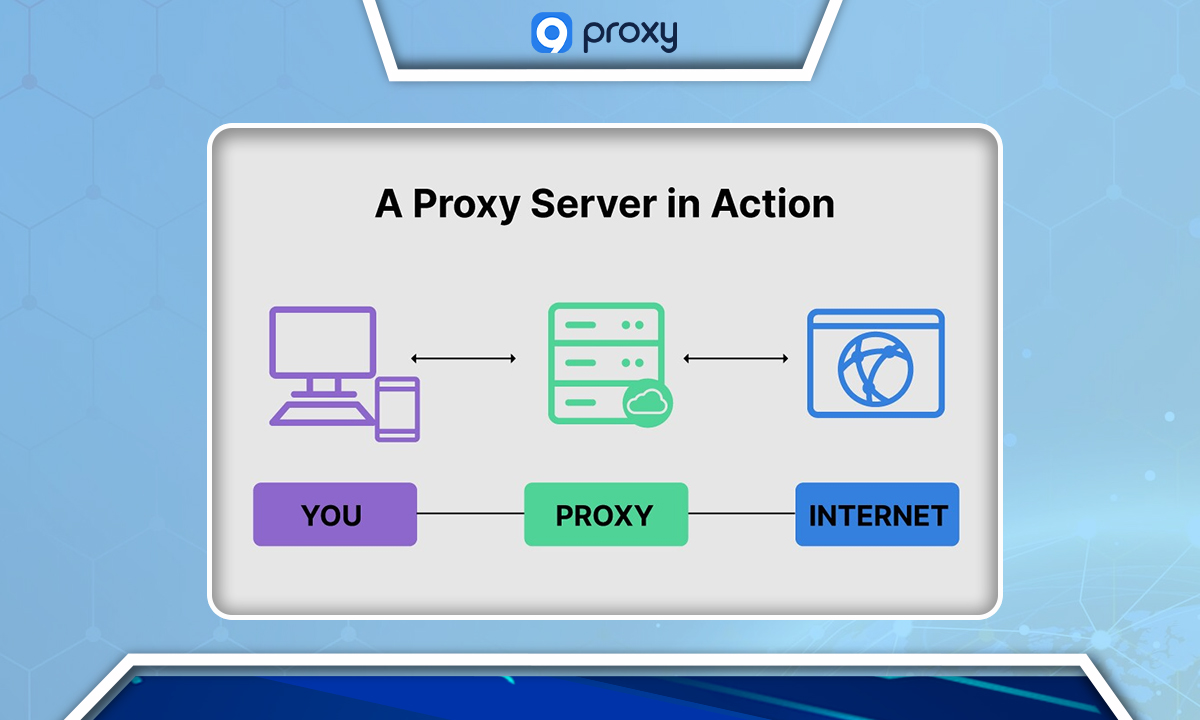
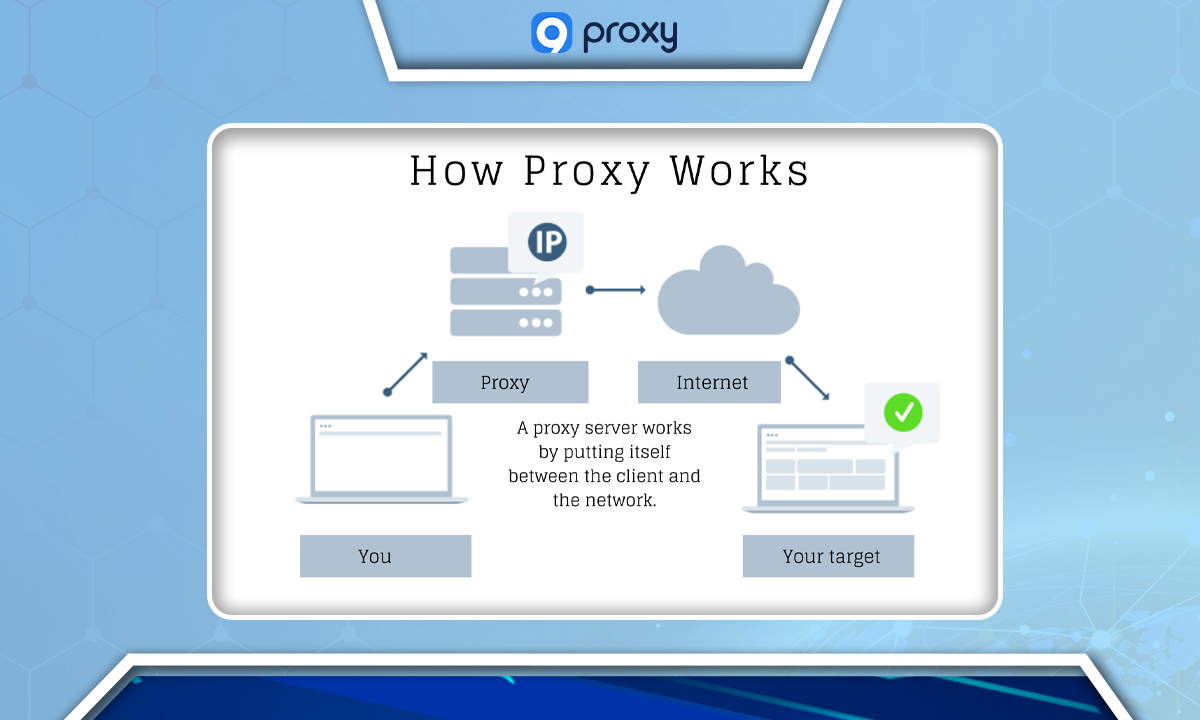
A proxy server, simply known as a proxy, is a go-between for your computer and the internet. It steps in when you ask for something online, handling the request by connecting to the website for you. This makes the proxy a middleman that adds a layer of privacy because it communicates on your behalf, not revealing your computer’s real information to the outside world.
Functions and Roles of Proxy Servers
The main job of a proxy server is to manage and improve how data travels between you and the internet. By filtering and processing your web requests, it can increase security and speed. Proxies keep your identity hidden by changing your IP address, which means more privacy. They also store (or "cache") web pages and files, so you can access them faster the next time you visit.
Typical Applications of Proxy Servers
Proxies are versatile tools used in various settings, like offices to control or monitor internet use, or to access videos and websites that aren’t available in your region due to geographic restrictions. They enhance your online privacy and security. Additionally, they help save on bandwidth and improve the performance of websites by storing previously accessed pages and distributing traffic evenly across multiple servers.
Implement a Popular Proxy Server
Some well-known proxy servers include Squid, Privoxy, and the Apache HTTP Server. Each has its strengths, like traffic filtering, DNS caching, or storing frequently accessed content to make web browsing faster and smoother. These servers cater to different needs, making them valuable for users looking for specific functionalities in their network setups.
What Is a Reverse Proxy?
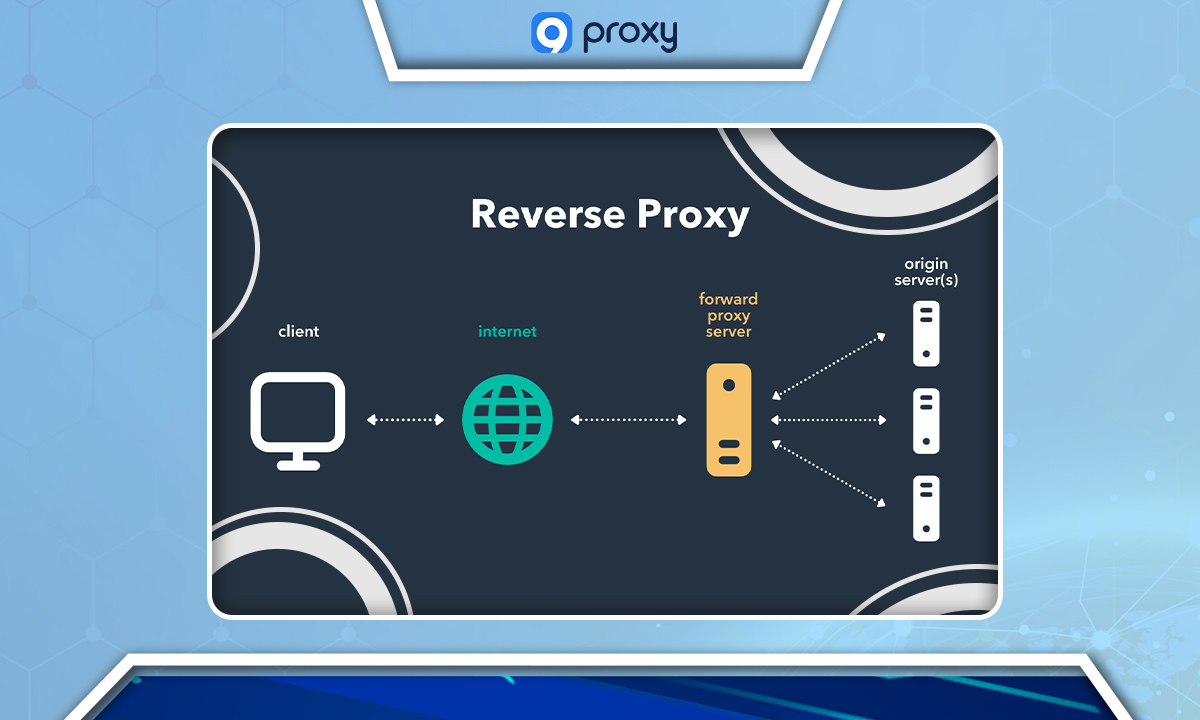
A reverse proxy is a server that acts as the middleman between your web servers and the internet. It receives requests from users, forwards them to the appropriate web server, and then passes the server's response back to the user. This setup means that the reverse proxy is the first point of contact for all incoming internet traffic to your web server.
Functions and Roles of Reverse Proxy
Reverse proxies primarily manage and distribute incoming web traffic to prevent any single server from getting overwhelmed. They act as a shield, concealing the characteristics and locations of backend servers, which adds an extra layer of security against potential cyber threats.
Applications and Benefits of Reverse Proxy
Reverse proxies are crucial for balancing loads, encrypting data with SSL, caching web content, and compressing data to speed up load times. They boost the efficiency and reliability of web applications by ensuring even distribution of network traffic and storing commonly accessed data. Security is another major benefit, as they prevent direct exposure of backend servers to the internet.
Real-world Examples of Reverse Proxy
In practice, if a client requests a webpage, the reverse proxy evaluates which backend server is best equipped to handle the request, considering factors like traffic load and server health. By intelligently distributing client requests, the reverse proxy ensures that web applications run smoothly and efficiently, highlighting its vital role in optimizing web traffic management.
Difference Between Proxy Server and Reverse Proxy
Proxy servers and reverse proxies are intermediaries in network communications, serving different functions and managing traffic in distinct ways. Here’s how they differ:
Primary Purpose
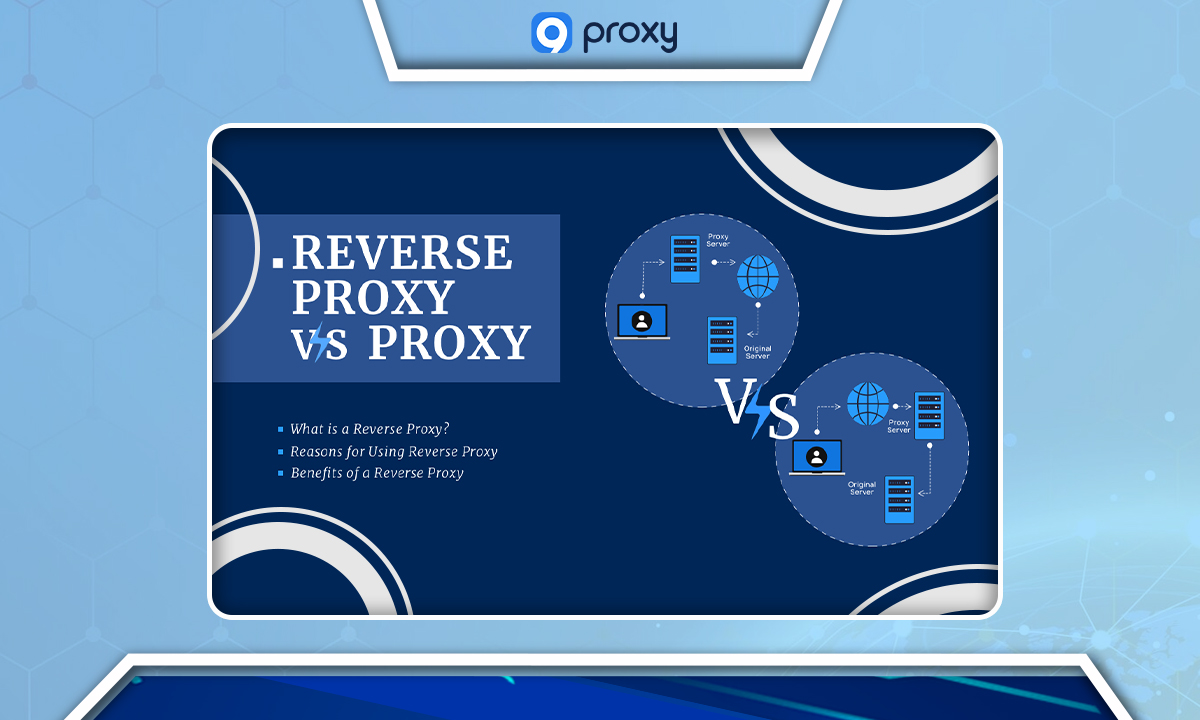
A proxy server, also known as a forward proxy, primarily manages outgoing traffic from clients to the internet. Its chief function is to enhance user anonymity by hiding the client's IP address when accessing external services. This is particularly useful for users looking to bypass geographical restrictions or maintain privacy. Conversely, a reverse proxy deals with incoming traffic, directing requests from the internet to one or more internal servers. It aims to protect the identities of backend servers by intercepting incoming requests, which helps prevent direct attacks on internal infrastructure.
Location in Network and Functionality
A proxy server sits between the client and the internet, acting on the client's behalf. It filters content by blocking access to certain websites according to established policies and caches data to speed up access to frequently visited sites. A reverse proxy, positioned between the internet and the servers it protects, also caches data but primarily focuses on load balancing and SSL encryption. Load balancing distributes traffic evenly across servers to prevent overloads, improving the efficiency and reliability of server operations.
Use Cases and Impact on Performance
Proxy servers are often used within organizational networks to enforce security policies and manage internet traffic centrally. They are ideal for settings like schools or businesses, where controlling or monitoring internet access is essential. Reverse proxies are crucial in high-traffic websites or data centers with multiple servers needing to work together smoothly. They not only enhance security but also improve web application performance by efficiently managing network load and reducing load times through caching.
Security Features
Both proxy servers and reverse proxies bolster network security, though in different contexts. Proxy servers provide client anonymity and can implement access controls, while reverse proxies protect backend servers from external threats. Additionally, reverse proxies can manage SSL transactions for multiple servers, adding an extra layer of encryption and securing data transfers more effectively.
FAQs
Why Would a Company Use a Proxy Server?
Companies implement proxy servers mainly to bolster security and manage internet access within their networks. These servers filter and block access to certain websites, ensuring that employees only visit relevant and secure online resources. Proxy servers also anonymize the identities of internal users when they connect to external internet resources, protecting both corporate data and individual privacy.
Can a Reverse Proxy Improve Website Performance?
Indeed, a reverse proxy can greatly enhance website performance. It works by distributing incoming web requests across several servers, which helps balance the load and prevents any single server from becoming overloaded. This method promotes efficient resource use and ensures consistent high performance, even during times of high web traffic. Additionally, reverse proxies can store static content, like images and HTML pages, which lessens the burden on servers and quickens website response times.
Is It Common to Use Both Proxy Servers and Reverse Proxies Together?
Yes, it is fairly common for large organizations and websites with heavy traffic to use both proxy servers and reverse proxies. A proxy server manages and secures outbound traffic from the organization to the internet, ensuring that only safe and necessary connections are made.
In contrast, a reverse proxy deals with incoming traffic to the organization’s servers. Employing both types allows for thorough control and optimization of all network traffic, enhancing both security and efficiency in managing internet interactions.
Conclusion
Proxy and reverse proxy servers are integral to our daily digital activities. While both serve essential roles, understanding the differences between them - often referred to as "proxy server vs reverse proxy" - can deepen our appreciation of their functions. Proxy servers secure our online transactions, such as those in banking, and support safe internet usage in educational environments by acting as intermediaries for outgoing traffic. Conversely, reverse proxies manage incoming traffic to protect and balance loads on servers, enhancing performance and stability. These tools are crucial for how we interact and function online. By utilizing these proxies wisely, we can boost our online security and efficiency, leading to safer and more effective digital interactions.
获取有关 所有代理相关内容 的时事通讯