Navigating the complex world of online privacy can often feel like a daunting task. In our latest blog post, "Why use proxy instead of VPN?", we simplify this challenge. This comprehensive guide shines a light on the often-overlooked advantages of proxies, providing you with crucial information to make an informed decision about your internet security strategy. Join us on this enlightening journey through the realms of digital privacy and protection.
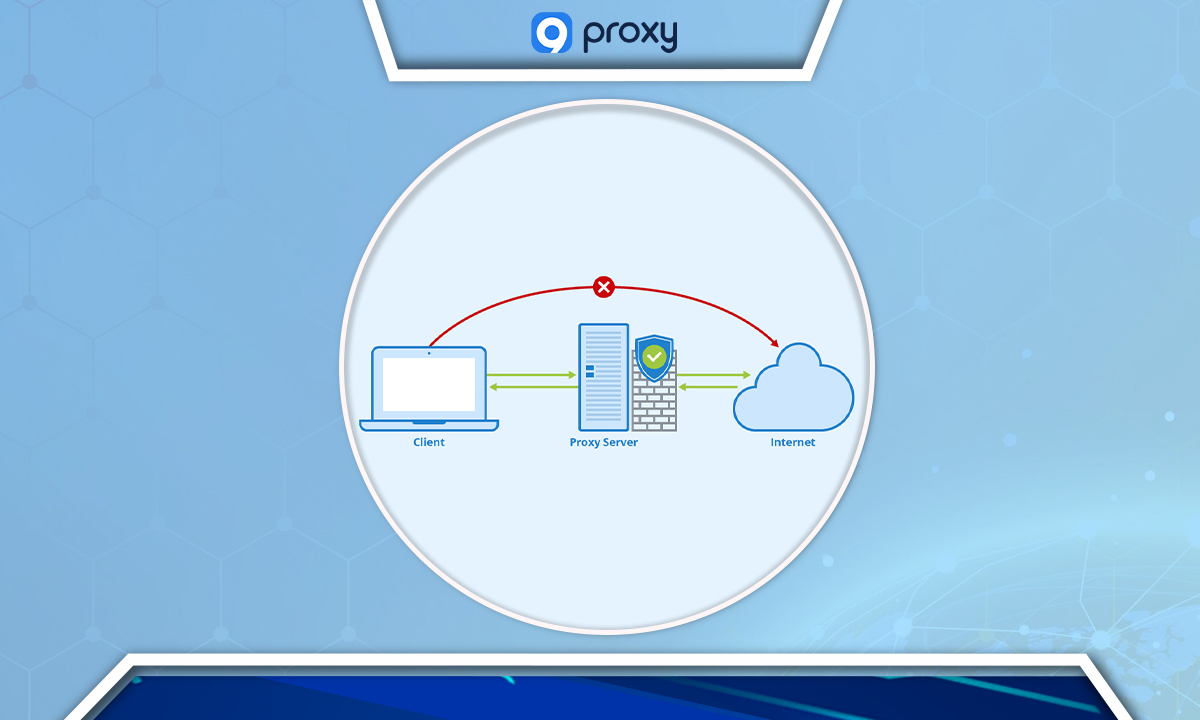
A proxy server is like a middleman between your computer and the internet. It helps keep bad guys, like hackers, from getting into your private network. A proxy server acts as a protective wall that stops cyberattacks and keeps your internet use safe.
Functions of a Proxy Server:
Are proxy servers safe? While they offer several security features, it's important to choose a reliable proxy service.
Types of Proxy Servers:
There are different kinds of proxy servers. Some, like transparent proxies, still show your IP address but can block unwanted content. Others, like high anonymity proxies, hide your IP address to give you more privacy.
Easy to use proxy services are available for those who are not tech-savvy but still value their online privacy.
Safety Considerations:
Are proxy servers legal? Yes, but be careful when using free proxy server services. Some of these might not be safe because they don’t use robust encryption or have strong hardware. This can lead to slow internet and risks to your data. If a proxy server is completely free, be extra cautious. Some free services might be traps set by bad guys to steal your credit card info or other personal data.
A Virtual Private Network (VPN) is a tool that helps you make a secure connection to another network over the internet. VPNs are used to protect your online privacy, secure your internet connection, and get around internet censorship. Here's a simple breakdown of what VPNs do:
VPN with proxy services are available for those seeking an additional layer of security.
Proxy servers and VPNs are both tools that help you access the internet anonymously and get around content that might be restricted based on your location. But, there are some key differences between the two.
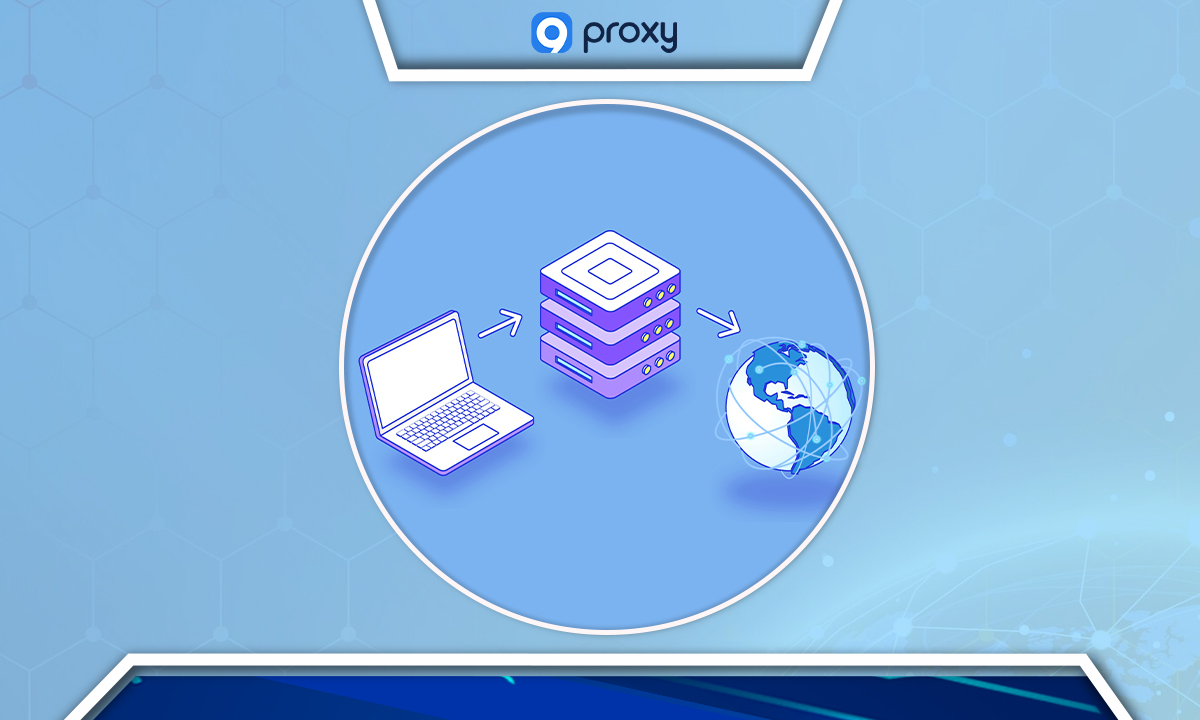
Proxy and VPN difference: A proxy server is like a middleman between your device and the website servers you want to access. When you use a proxy, your internet traffic goes to the proxy server first. The proxy then gets the information you want from the website and sends it back to you. This can help you get around geo-restrictions and keep your web browsing private because it hides your IP address and stores your internet traffic on the proxy server instead of your computer.
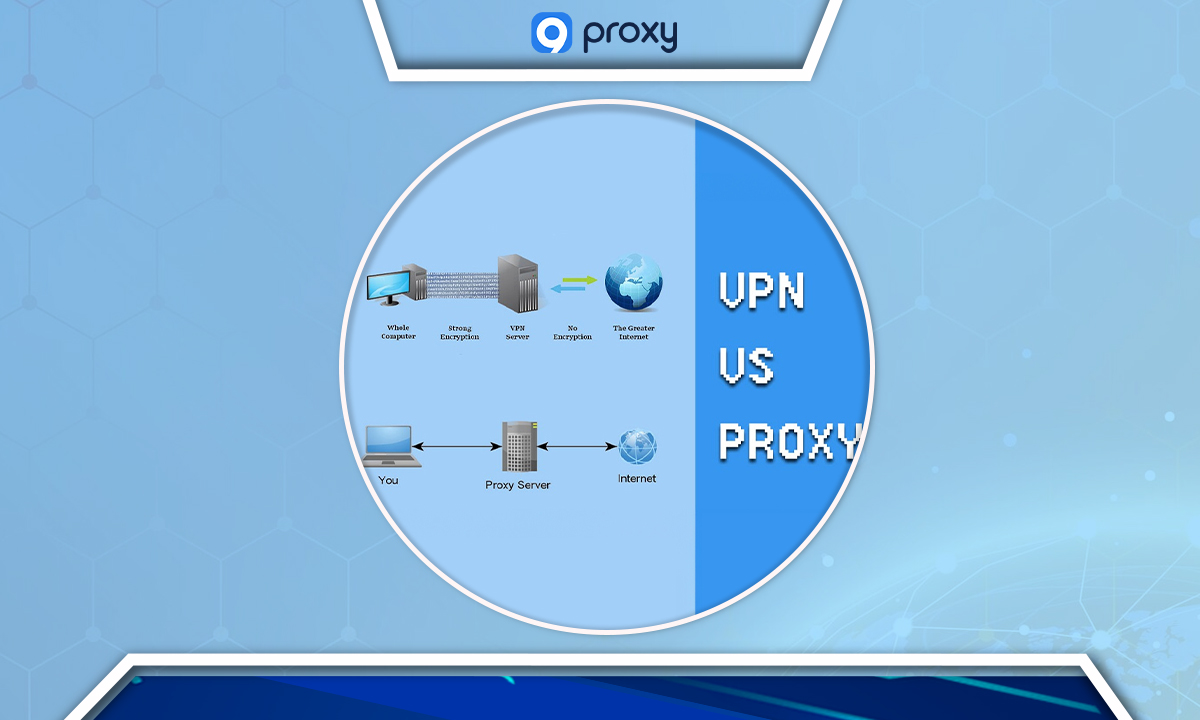
A VPN, or Virtual Private Network, works a bit differently. It operates at the system level, rerouting all your internet traffic, no matter if it's coming from your web browser or a background app. A VPN adds an extra layer of protection to your online privacy. It secures the data exchanged between your device and the web in encrypted tunnels. This means a VPN not only hides your IP address and location but also secures your data with encryption from hackers and snoops.
The main difference between proxy servers and VPNs is that proxies only reroute traffic from specific applications, while VPNs reroute all the traffic from your operating system. When it comes to safety, VPNs are generally more secure than proxy servers because they encrypt your data as it's sent to another server, protecting it from cyber attacks.
There are specific situations where a proxy server may be a more suitable option than a VPN:
While it is possible to use a VPN and proxy server together, it might not be efficient as the proxy would act as an additional intermediary, potentially slowing down your internet connection without providing significant additional benefits.
Yes, generally speaking, using a proxy is less expensive than using a VPN service.
A proxy can potentially slow down your internet connection. However, it is usually faster than a VPN, as there is no encryption involved that can contribute to slower connection speeds.
The question, "Why use proxy instead of VPN?" has found its answer. We’ve explored this topic and found that proxies can be quicker, easier on your wallet, and good at keeping you under the radar online. They’re especially handy when you want to visit websites that are hard to reach or when you want to keep your visits private. For those times when speed is key and saving money matters, a proxy could be your go-to tool. Check out other easy-to-read blogs from 9Proxy for more tips on staying safe and private online.
获取有关 所有代理相关内容 的时事通讯